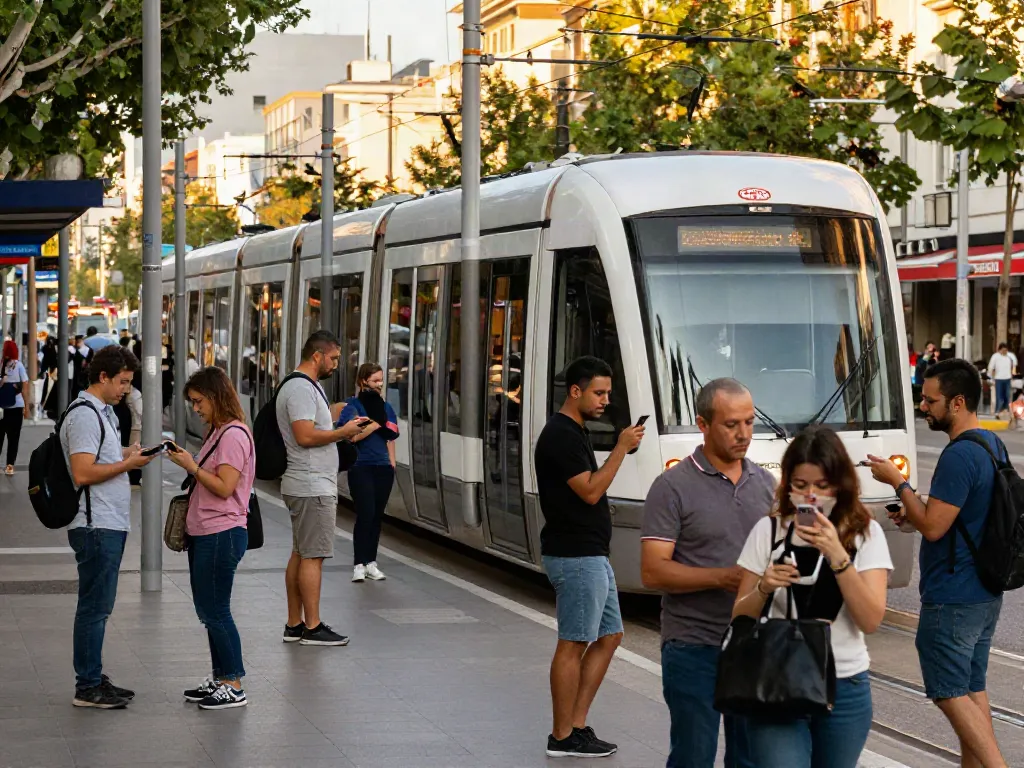
Understanding the Importance of Modern Public Transit
In the evolving landscape of urban transportation, public transit plays a crucial role in enhancing urban living standards, reducing congestion, and promoting environmental sustainability. As urban centers become increasingly populated, efficient public transportation becomes not just a convenience, but a necessity. By integrating various transit systems, cities can improve accessibility, reduce travel times, and foster economic growth. When exploring options, streek.ca provides comprehensive insights into urban mobility and the impact of transit systems.
Why Public Transit Matters for Urban Living
Public transit serves as the backbone of urban mobility. With increasing urbanization, a reliable transit system allows cities to function more effectively. It enables citizens to access jobs, education, and essential services without the burden of car ownership. This accessibility fosters social equity, allowing all demographics to enjoy the benefits of urban life.
Moreover, public transit systems can significantly reduce traffic congestion. More people using buses, streetcars, and trains means fewer private vehicles on the road. This results in shorter commute times and lower levels of air pollution, contributing to a healthier urban environment.
The Environmental Benefits of Using Public Transit
Choosing public transit over personal vehicles significantly reduces the carbon footprint associated with daily commuting. Buses and streetcars emit fewer greenhouse gases per passenger mile compared to cars, making them a more sustainable option. By investing in and promoting public transit, cities can combat climate change and improve air quality.
Furthermore, public transit systems support green initiatives in urban planning. By concentrating development around transit hubs, cities reduce urban sprawl, preserving green spaces and minimizing land consumption. This integrated approach not only enhances the ecological footprint of urban areas but also improves residents' quality of life.
Cost-Effectiveness of Commuting via Public Transport
Public transit not only benefits the environment but also offers significant financial savings for individuals. Commuters who rely on public transport can save thousands of dollars each year that would otherwise be spent on car payments, insurance, fuel, and maintenance. Additionally, transit-oriented developments often lead to increased property values in neighborhoods with robust public transportation systems.
As cities continue to evolve, the financial advantages of public transit will play a critical role in shaping transit policies and infrastructure investments.
Spotlight on Streetcars: A Comprehensive Overview
Streetcars are an integral part of the urban transit landscape, offering unique advantages over traditional bus systems. Their fixed routes and ability to transport larger numbers of passengers make them a compelling choice in many urban areas.
How Streetcars Differ from Traditional Buses
While both streetcars and buses serve essential roles in public transportation, their operational efficiencies differ significantly. Streetcars, running on dedicated tracks, can offer more reliable schedules and higher capacity. Unlike buses, which are subject to traffic delays and can be impeded by congestion, streetcars benefit from relatively uninterrupted service, enhancing overall travel reliability.
Infrastructure and Design: What Makes Streetcars Unique?
The infrastructure for streetcars is designed to support higher passenger volumes typically found in urban centers. Unlike buses, streetcars often have wider dimensions and are built to accommodate more passengers per trip. Their design also allows for quick loading and unloading, reducing dwell times at stops.
Moreover, well-designed streetcar lines can encourage pedestrian traffic and local economic growth. Stores and restaurants line streetcar routes, benefiting from the increased foot traffic that these transit options bring.
Case Studies: Successful Streetcar Systems in Major Cities
Many cities around the world have successfully integrated streetcar systems into their public transport networks. Cities like Melbourne and Toronto have long-standing streetcar services that effectively cater to dense urban populations. More recently, cities such as San Francisco and Portland have revitalized their streetcar systems, enhancing mobility and reducing dependency on cars.
These case studies illustrate not only the viability of streetcars but also their role in modern urban planning, delivering sustainable solutions to urbanization challenges.
Challenges in Urban Transit Systems
Despite the clear benefits, urban transit systems, including streetcars, face significant challenges. These can hinder their effectiveness and public perception.
Common Misconceptions About Public Transit
Many individuals equate public transit with inconvenience or inefficiency. Misconceptions about the reliability and cleaning of public transit systems often deter people from utilizing them. It’s essential for transit authorities to address these concerns through effective communication and improvements in service quality.
Managing Overcrowding and Wait Times
As urban populations grow, managing overcrowding on public transport becomes increasingly critical. Transit operators must anticipate surges in ridership during peak hours and ensure that their fleet can accommodate demand. Innovative technologies, such as real-time tracking and AI-based demand forecasting, can play a role in mitigating these issues.
Addressing Accessibility Issues in Street Transit
Inclusivity remains a key challenge for public transit systems. Ensuring that transit services are accessible to individuals with disabilities is crucial. Cities must invest in infrastructure upgrades and training for transit staff to create an environment where all citizens can benefit from public transportation.
Strategies for Improving Public Transit Experience
Enhancing the public transit experience is vital for encouraging use and improving ridership numbers. Various strategies can be implemented to achieve this.
Enhancing User Experience with Technology
Technology plays a pivotal role in the modernization of public transit services. Apps that provide real-time updates on transit schedules, seat availability, and service disruptions can significantly improve the user experience. Additionally, contactless payment options streamline the boarding process, making it easier for riders to access services.
Community Engagement: Building Support for Transit Initiatives
Engaging with local communities is vital for the success of transit initiatives. By fostering discussions, gathering feedback, and involving community members in planning processes, transit authorities can better cater to the needs of their users. This collaborative approach helps in building public support for transit investments.
Future Innovations: What’s Next for Urban Transit?
Looking towards the future, transit systems will likely benefit from innovations such as electric and autonomous vehicles, which can reduce emissions and operational costs. The integration of smart city technologies will enhance efficiency, adapt services to real-time demands, and connect various forms of transportation seamlessly.
Preparing for the Future of Urban Mobility in 2026
As we approach 2026, the need for forward-thinking strategies in public transit is paramount. The trends that emerge will shape how we move within urban landscapes.
Trends in Public Transit Technology and Infrastructure
From integrated mobility solutions to advanced fare systems, we can expect significant technological advancements in public transport by 2026. Cities will increasingly adopt smart technologies for traffic management, enhancing the flow of public transit and reducing delays.
How Urban Planning Influences Transit Solutions
Urban planners are increasingly recognizing the importance of integrating transit solutions into city designs. Mixed-use developments that prioritize access to public transportation not only support sustainability but also enhance economic viability by increasing foot traffic to local businesses.
The Role of Policy in Shaping Sustainable Transit
Effective policy is essential for nurturing sustainable transit solutions. Governments must prioritize investments in transit systems and create incentives for public transit use. Policies that focus on sustainability will lead to long-term benefits, including reduced urban congestion and improved public health.
What are the key benefits of using streetcars over buses?
Streetcars offer enhanced capacity, reduced travel times, and a more reliable service compared to traditional buses. This makes them particularly suited for densely populated urban areas.
How do streetcars contribute to urban sustainability?
By promoting higher capacity transit options, streetcars reduce the reliance on cars, decrease emissions, and support more concentrated urban development, thus playing a crucial role in sustainability efforts.
What advancements can we expect in public transit by 2026?
Expect advancements such as autonomous vehicles, expansion of electric bus fleets, and improved connectivity between different transit modes driven by smart technology.
How can communities support public transit initiatives?
Communities can actively engage in discussions with transit authorities, advocate for better services, and participate in planning processes to ensure that public transport meets their needs.
What is the impact of technology on public transit systems?
Technology enhances efficiency, user experience, and connectivity, thereby encouraging greater public transit usage and improving overall service quality.