
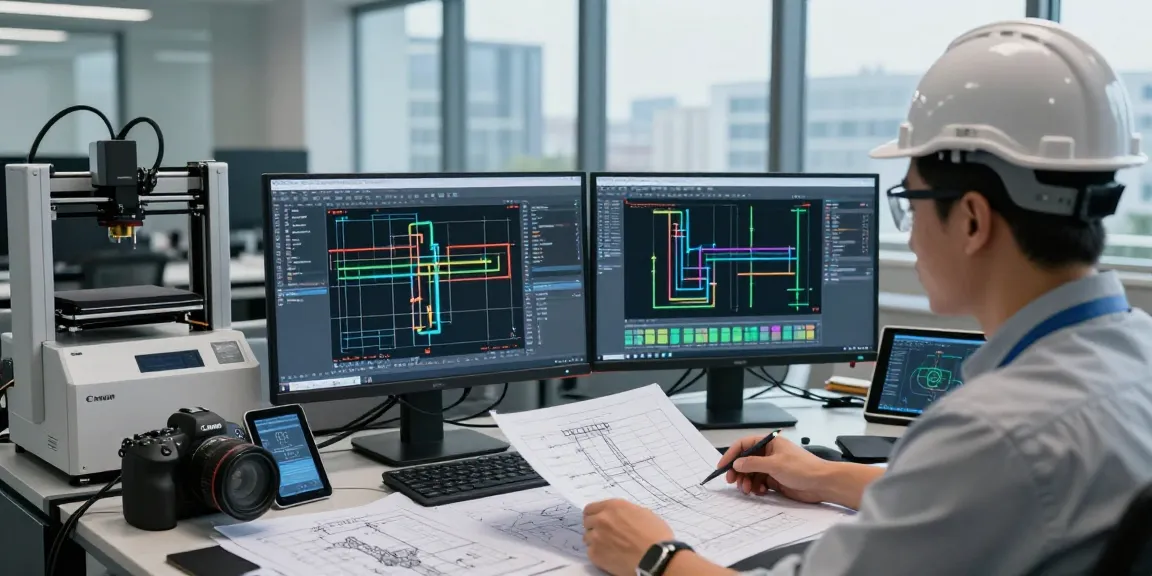
Understanding Piping Stress Analysis in Canada
Piping stress analysis is a critical discipline within engineering, focusing on evaluating the structural integrity and functionality of piping systems. In Canada, where industries such as oil and gas, manufacturing, and construction heavily rely on robust piping systems, Piping Stress Analysis Canada serves as an essential practice. It examines how various forces—such as thermal expansion, pressure changes, and environmental impacts—affect piping components and systems. This analysis is not merely a regulatory requirement; it is fundamental for ensuring the safety and efficiency of industrial operations.
What is Piping Stress Analysis?
Piping stress analysis is the process of assessing the stresses and forces acting on piping systems to ensure that they operate within defined safety margins. It involves calculating the impact of various load conditions, including thermal expansion, pressure fluctuations, and external loads such as seismic or wind forces. Engineers utilize specialized software tools like CAESAR II and AutoPIPE to perform these analyses, allowing for detailed evaluations and simulations.
The Importance of Piping Stress Analysis in Engineering
The importance of piping stress analysis cannot be overstated, particularly in industries where high-pressure systems are commonplace. Effective analysis not only prevents structural failures but also ensures compliance with regulatory standards and safety codes. Moreover, it facilitates the design of piping systems that are not only safe but also cost-effective in terms of material use and maintenance. By identifying potential issues before they arise, companies can significantly reduce downtime and safeguard their operations.
Key Regulations in Canada Governing Piping Stress Analysis
In Canada, several codes and standards govern the practice of piping stress analysis. These include the Canadian Standards Association (CSA) and the American Society of Mechanical Engineers (ASME) codes, which provide guidelines on material specifications, design methodologies, and safety requirements. Compliance with these regulations ensures that piping systems are designed with integrity and operate within the safety limits prescribed for different applications.
Common Challenges in Piping Stress Analysis
Identifying Typical Issues in Piping Systems
Piping systems face a multitude of challenges that can complicate stress analysis. Common issues include thermal expansion, where pipes can expand or contract significantly with temperature changes, leading to excessive stress. Misalignment and improper support can also result in additional loads on piping components, causing premature failures. Engineers must be aware of these factors during the design and operational phases to mitigate risks.
Addressing Misconceptions About Piping Stress Analysis
Many misconceptions surround piping stress analysis, including the belief that it is unnecessary for smaller systems or that it can be overlooked if systems appear visually intact. In reality, all piping systems, regardless of size, should undergo stress analysis to prevent hidden failures that may not be immediately detectable. Proper analysis is essential for maintaining system integrity and operational efficiency.
Case Studies: Lessons Learned from Past Failures
Historically, several high-profile failures have underscored the importance of thorough piping stress analysis. For instance, the failure of a pressure vessel in a petroleum refinery resulted in significant operational downtime and environmental impact due to a lack of stress analysis. These incidents highlight the necessity of comprehensive evaluation and proactive design practices to avert costly mistakes.
Best Practices for Effective Piping Stress Analysis
Utilizing Advanced Software Tools for Stress Analysis
Leveraging advanced software tools is critical for effective piping stress analysis. Programs like CAESAR II and AutoPIPE allow engineers to simulate real-world conditions and analyze the effects of various stresses in a controlled environment. These tools facilitate accurate modeling of piping systems, ensuring that all potential stress points are evaluated thoroughly.
Incorporating Safety Factors in Design
Integrating safety factors into the design process is a best practice that cannot be overlooked. By accounting for unexpected loads and environmental factors, engineers can design piping systems that are not only compliant with regulations but also resilient to unforeseen challenges. This proactive approach leads to safer and more reliable operations.
Collaborating with Multi-Disciplinary Teams
Collaboration across multiple engineering disciplines is vital for successful piping stress analysis. Structural, mechanical, and civil engineers must work together to provide insights that inform design decisions. Such collaboration ensures that all aspects of the system are considered, leading to a comprehensive analysis that mitigates risks effectively.
Real-World Applications of Piping Stress Analysis
Case Studies Across Different Industries in Canada
Piping stress analysis is applicable across various industries, including oil and gas, chemical processing, and power generation. In the oil and gas sector, for example, effective stress analysis has been instrumental in designing safe and efficient pipelines that withstand the harsh conditions of extraction and transport. A notable case is the Alberta oil sands, where extensive stress analysis has been essential for ensuring the longevity and safety of pipeline systems.
Innovations in Piping Stress Analysis Techniques
Recent innovations, such as the implementation of machine learning algorithms and artificial intelligence in stress analysis, are revolutionizing how engineers approach piping systems. These technologies allow for the analysis of large datasets, identifying patterns and predicting potential failures with greater accuracy. By embracing these innovations, companies can enhance their predictive capabilities and optimize system designs.
Impact of Piping Stress Analysis on Project Outcomes
The impact of thorough piping stress analysis on project outcomes is significant. Projects that incorporate comprehensive analysis from the outset tend to experience fewer delays and cost overruns, as potential issues are addressed early in the design phase. Additionally, systems designed with rigorous analysis are more likely to meet safety and regulatory requirements, ultimately leading to a successful project completion.
Future Trends in Piping Stress Analysis in Canada
Emerging Technologies Shaping the Industry
As we look ahead, emerging technologies are set to reshape the landscape of piping stress analysis. Innovations in computational fluid dynamics (CFD) and other simulation technologies will enhance engineers’ ability to model fluid behavior within piping systems. This increased capacity for simulation will facilitate more accurate stress analysis and lead to improved designs that enhance safety and performance.
Predictions for Piping Stress Analysis in 2026 and Beyond
By 2026, we can expect piping stress analysis practices to become increasingly integrated with digital twin technologies, allowing for real-time monitoring and analysis of systems. This evolution will facilitate proactive maintenance strategies, reducing the likelihood of failures and extending the lifespan of piping systems. Engineers will also leverage more sophisticated modeling techniques that enhance the accuracy of simulations.
Preparing for Regulatory Changes Affecting Piping Practices
As regulations evolve, engineering firms must remain vigilant in adapting their practices to meet new requirements. Upcoming changes in environmental regulations, for instance, could introduce stricter mandates on emissions and safety standards, necessitating more rigorous piping stress analysis. Firms that stay ahead of these changes by continuously updating their knowledge and practices will position themselves for success in the future engineering landscape.
What are the key benefits of proper piping stress analysis?
Proper piping stress analysis leads to enhanced safety, improved system reliability, compliance with regulatory standards, and minimized risks of failure. These benefits are critical for ensuring the efficient operation of industrial systems and protecting both personnel and the environment.
How can engineers stay updated with best practices?
Engineers can stay updated by participating in industry seminars, continuing education courses, and professional organizations that focus on piping engineering. Engaging with peers and sharing insights can also contribute to knowledge enhancement and the adoption of best practices in the field.
What software is recommended for piping stress analysis?
Recommended software tools for piping stress analysis include CAESAR II, AutoPIPE, and ANSYS. These programs are widely used for their advanced capabilities in modeling and analyzing piping systems under various load conditions.
How does piping stress analysis impact safety?
Piping stress analysis directly impacts safety by identifying potential failure points and ensuring that systems are designed to withstand operational stresses. By mitigating risks before they can lead to incidents, robust analysis contributes significantly to workplace safety and environmental protection.
Why is collaboration essential in engineering projects?
Collaboration among engineering disciplines is crucial for comprehensive project outcomes. Each discipline brings unique insights that contribute to a holistic understanding of the project, addressing potential issues that may arise from insufficient analysis or oversight in one area.
